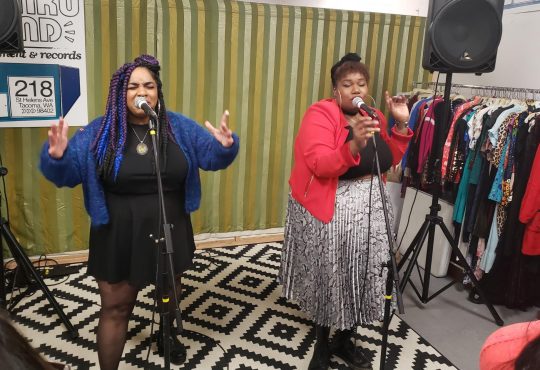

The Puyallup Tribe — the tribe on whose ancestral lands Tacoma and this campus now reside — was gifted a former arts and events center in downtown Tacoma this past summer. The building, once known as the Alma Building, was given to the tribe under a “no strings attached” principle. Alma, LLC, the former owners of the property, stated that they “could think of no better recipient than the Puyallup people, who have cared for this land since time immemorial. Their leadership, vision and unwavering commitment to cultural values and to the local community deeply inspire us.”
When you ask Native Americans about the importance of land — whether it’s the significance it has in our histories, stories, or current place in the world –– its sanctity among all things cannot be understated. As the concept did not exist within our lexicon, European ideals of purported land ownership became a difficult notion for Indigenous peoples of this continent to grasp. Greater awareness surrounding the lifeblood that land is to Native communities is witnessed through the recent proliferation of land acknowledgements, tribal-led movements such as Land Back and reparations in the form of land return to tribal communities. In addition to its cultural and historical significance, land also serves to bolster tribes’ legitimacy in economic and status-related concerns. With the advent of big casino gaming, tribal land also serves as a cash cow for many tribes. With Indian land — areas of land held in trust by the U.S. government for American Indian tribes — the federal recognition process is the legal precedent by which tribes are told they are or are not Indian by the U.S. government. Land or historical ties to it can significantly increase chances of recognition by the government, and consequently, reception of federal aid and stronger Native communities overall.
So land is more than just land. It provides or depletes accessibility. It creates legitimacy for whole swaths of people. It is the backbone of the body that is Indigeneity.
In recent years, there has been an upsurge in tribal land-restoration initiatives, but these more often manifest as payments by the tribes to landowners or lengthy legal skirmishes such as the U.S. Department of the Interior’s Land Buy-Back Program for Tribal Nations. Another example is most notably seen in the Cobell v. Salazar Settlement Agreement, which, through the work of Elouise Cobell, resulted in an astonishing $3.4 billion land settlement. Tribes used around $2 billion to buy back stolen land that could then be designated national trust status. Reparations are seldom “no strings attached” deals, which is why this gift of the Alma Building
to the Puyallups can truly be classified as such.“We are thrilled with this generous gift. The Tribe has long endured people taking land from us and having to fight at every turn. It is simply unprecedented for a gift of this size to be freely given to us,” said the Puyallup Tribal Council in a press release on their website.
A Native-led nonprofit, Anpo, helped with the transition of the space from Alma, LLC to the Puyallup Tribe, according to the same statement. Anpo supports land restoration efforts and language and culture revitalization projects. In their own statement regarding the donation, they stated, “This gift recognizes that deep responsibility and honors a truth that’s long been known here: when Indigenous leadership thrives, the whole region benefits.” Anpo, like many other Native non-profits, recognizes the link between the necessary rehabilitation of the land and the role that tribes play in that process. NDN Collective is another nonprofit that fights for land reclamation through its Land Back project. On their website, they explain, “Land Back is a movement that has existed for generations with a long legacy of organizing and sacrifice to get Indigenous Lands back into Indigenous hands.” Just as there is growing discourse around the matter of tribal land restoration, there is also a palpable, action-oriented movement supporting it. The gift given to the Puyallups is one such case.
History has shown that tribes rarely actually receive their lands returned en masse. The technicality of the land system in this nation makes an already complicated endeavor all the more obfuscated for Indigenous peoples. There will never be a total land reformation process for American Indian people. The land that once belonged solely to us is too lucrative to just hand over now. But, in spite of the odds, progress has been made. Small parcels of land have been readministered and healed. For many Native tribes and organizations, the fight will continue and the perseverance will result in both triumphs and defeats. With the land we now have and that which may soon be restored, there is one truth that must be understood: When it comes to land restoration, Indigenous tribes are doing the best they can with what they have where they are.