To the staff and readers of The Trail,
We are Tacoma residents and researchers with the Uyghur Human Rights Project, a nonprofit organization dedicated to advancing the rights of Uyghurs and other Turkic Muslim peoples in East Turkistan, also known as the Xinjiang Uyghur Autonomous Region, through research-based advocacy.
Recent reporting in the Tacoma News Tribune detailed a week-long trip by a seven-member Tacoma delegation to China, where local officials met with municipal leaders and participated in events marking the 55th anniversary of “Ping Pong Diplomacy.” According to spokesperson Maria Lee, the visit was framed as an effort to strengthen cultural, educational, and economic ties with Tacoma’s sister city, Fuzhou. Public reporting indicates that the City of Tacoma contributed approximately $6,000 for airfare and visas, while the majority of the trip’s costs, including hotels, meals, and programming, were covered by the Chinese People’s Association for Friendship with Foreign Countries (CPAFFC), the organization that hosted and arranged the visit.
CPAFFC is not simply a cultural exchange program. U.S. officials and independent researchers have described the group as part of the Chinese Communist Party’s United Front system, which cultivates relationships overseas and shapes foreign perceptions through subnational diplomacy, sponsored exchanges, and partnership networks.
This does not mean every delegation is improper or that local officials act with anything other than sincere intentions. Many likely seek to strengthen sister-city ties, support cultural understanding, or create opportunities for students and businesses. But goodwill should be matched by transparency and careful due diligence.
That is especially true in Tacoma. As a city shaped by global commerce through the Port of Tacoma, Tacoma is connected to supply chains increasingly scrutinized for labor and human rights risks, including the forced labor of Uyghurs. Decisions about civic partnerships, trade relationships, and official exchanges should reflect that reality.
Cities across the United States are being asked to think more carefully about foreign influence, procurement standards, and ethical sourcing. Tacoma should be no exception. Residents deserve clear answers about who funds official travel, which organizations arrange these visits, what objectives are pursued, which meetings take place, and whether human rights concerns are addressed alongside discussions of trade and friendship.
We do not oppose international engagement. Constructive people-to-people exchanges can be valuable when rooted in openness and mutual respect. But transparency is what allows public trust to exist. Local journalism is often where global issues first become matters of community accountability. We hope this reporting encourages Tacoma to engage internationally with openness, integrity, and a clear understanding of the values at stake.
Sincerely,
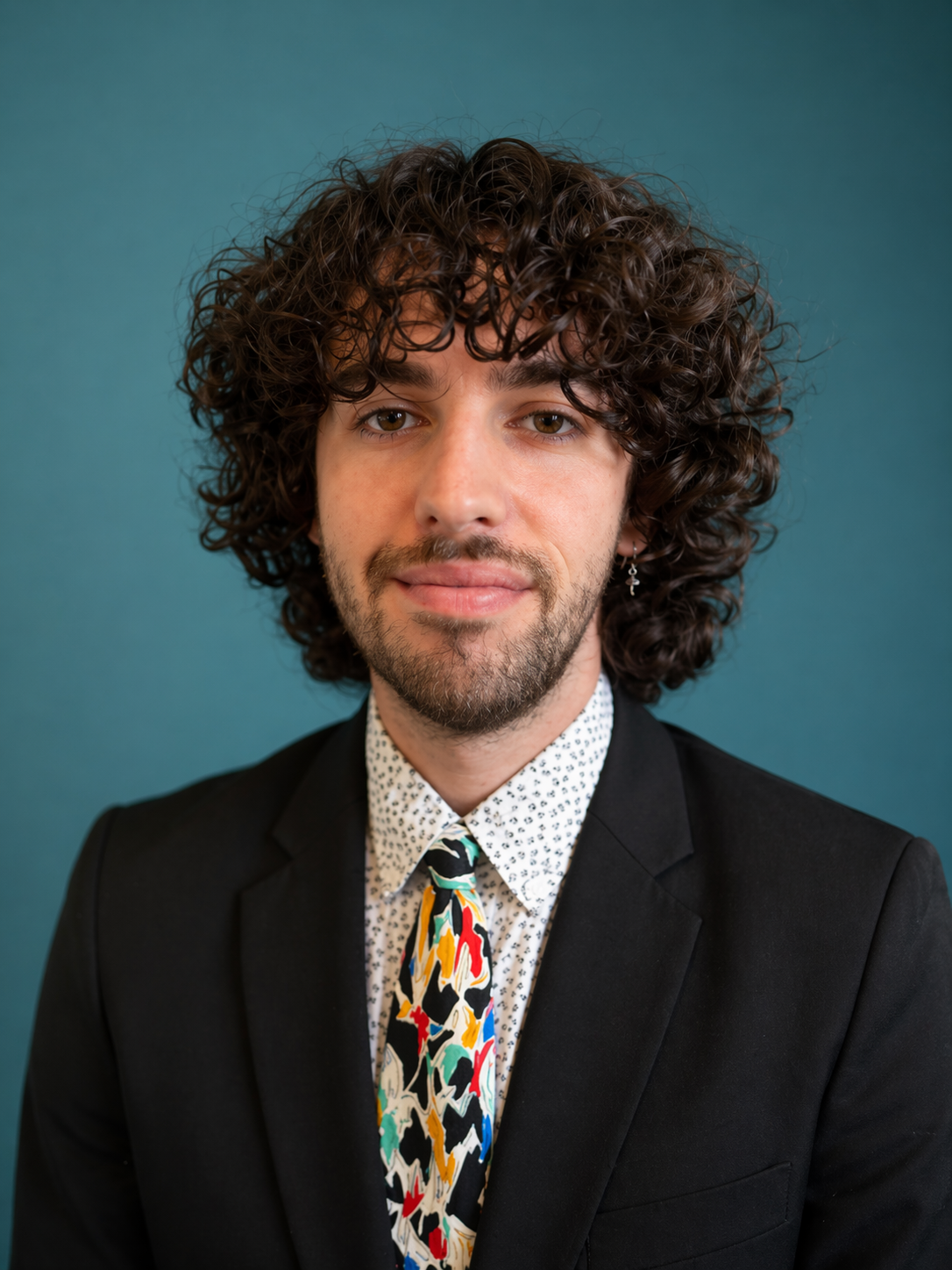
Elijah Pockell-Wilson (‘26), Research Associate, Uyghur Human Rights Project; Dr. Henryk Szadziewski, Director of Research, Uyghur Human Rights Project